A guide to wildflower hikes and camping in the Columbia River Gorge
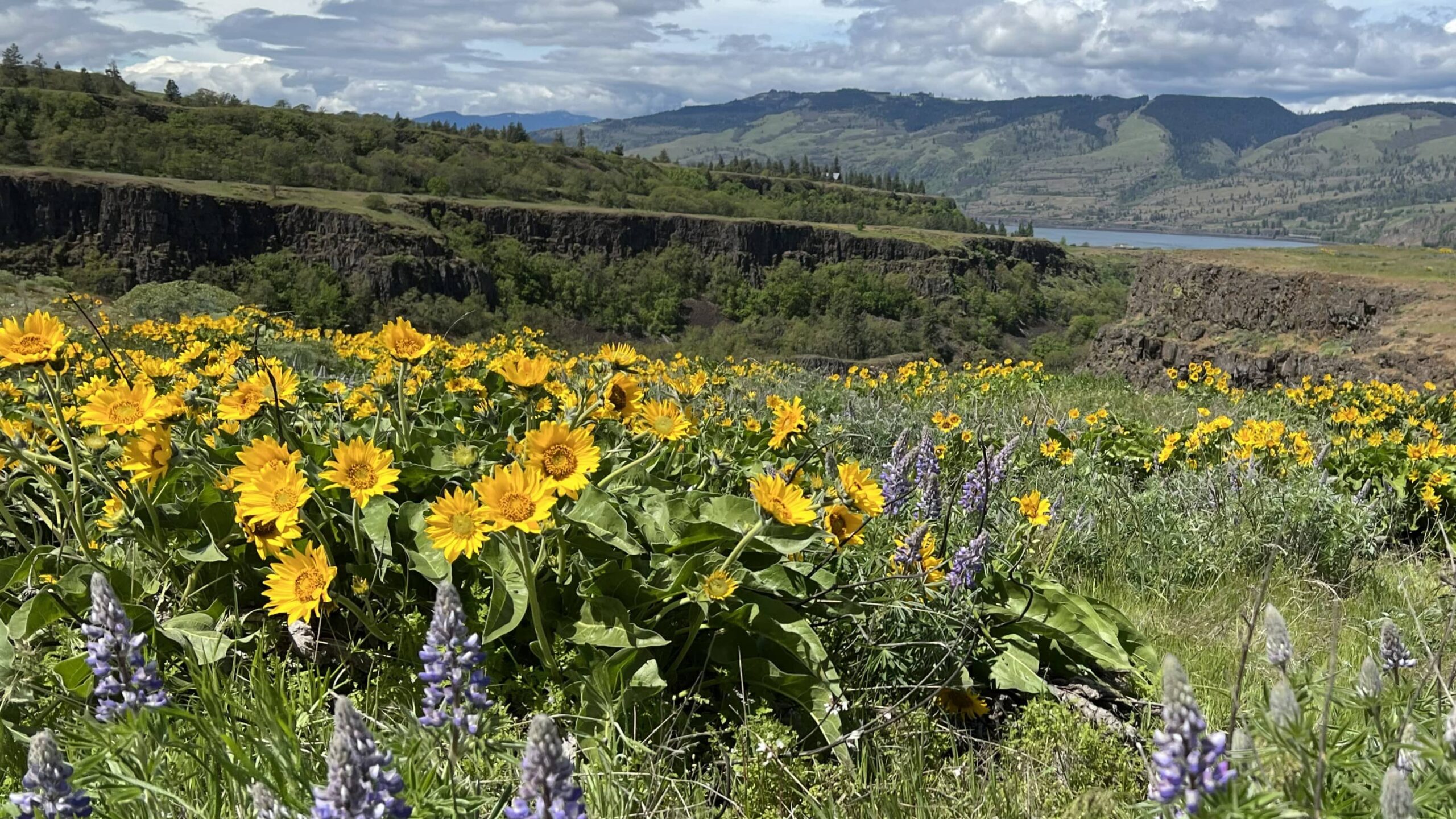
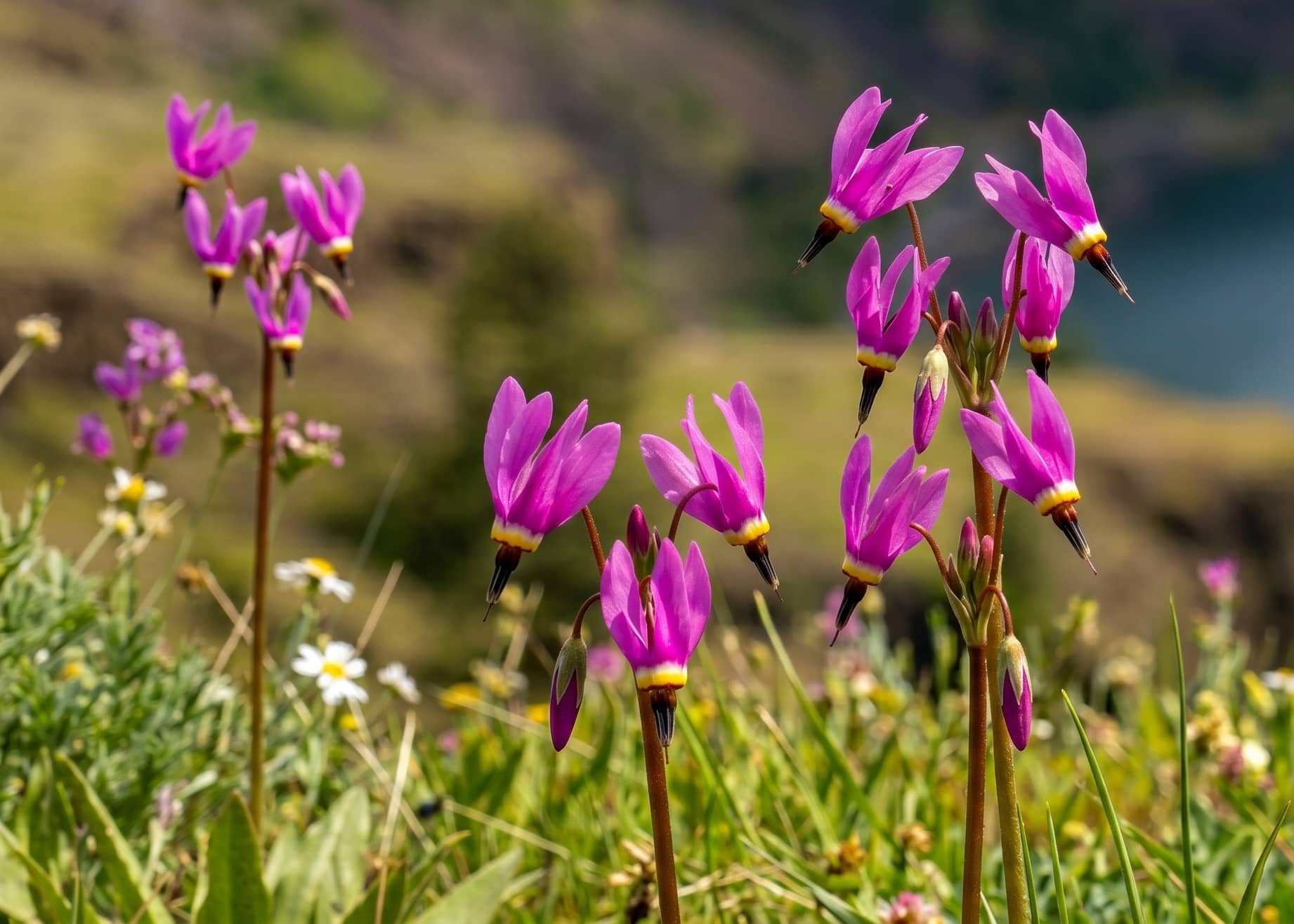
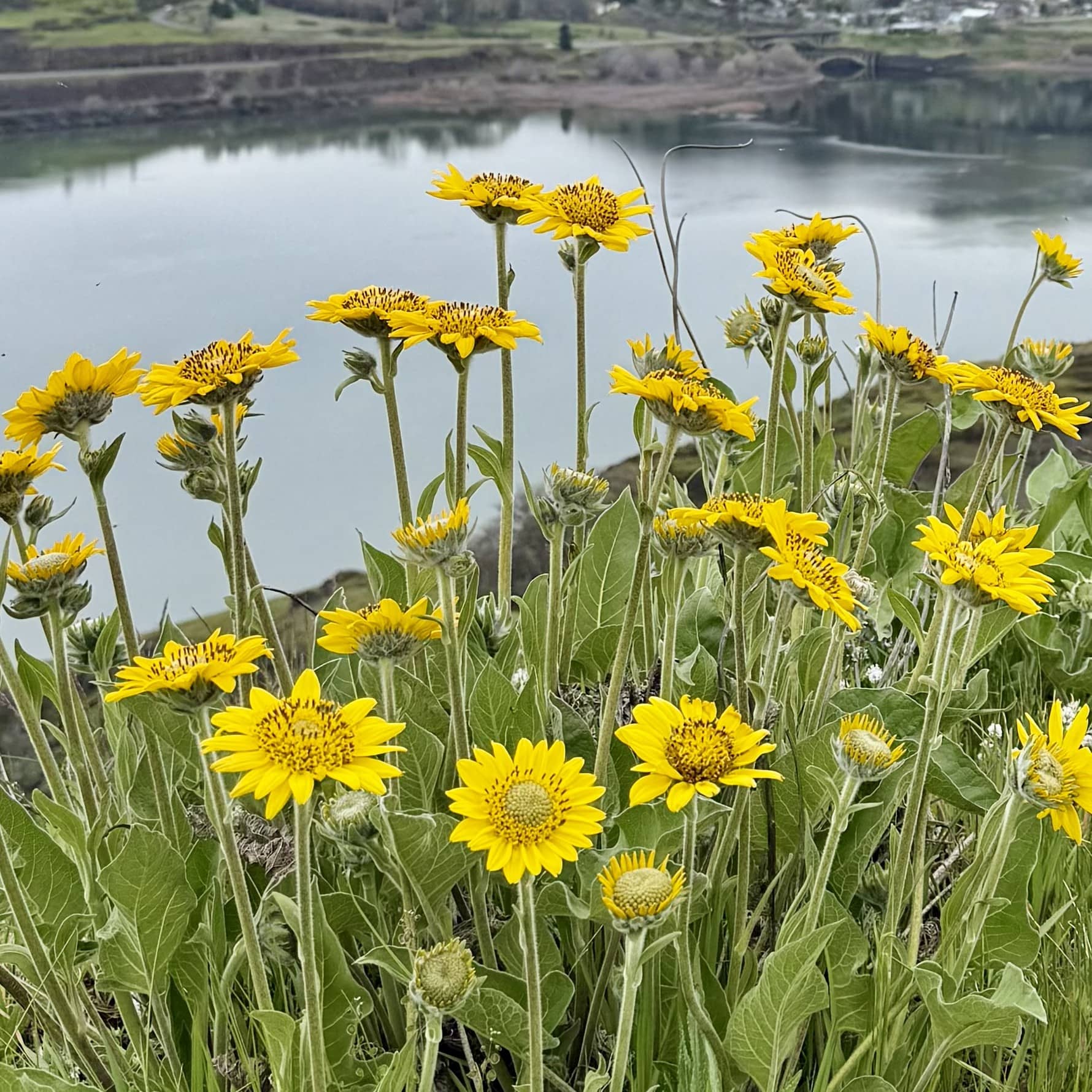
There is a specific kind of magic that happens in the Columbia River Gorge every spring. As the winter chill fades, the basalt cliffs shed their moody greys and erupt into a vibrant tapestry of “Gorge Gold” (Balsamroot) and royal purple (Lupine).
If you’re dreaming of days spent wandering through the dramatic transition from a temperate rainforest to high-desert meadows painted in primary colors, you’ll need a basecamp that puts you in the heart of the bloom. However, before you set up camp, there is one essential piece of gear to pack: earplugs as camping along the gorge comes with the noise of a working rail line and Interstate 84.
Where to Camp
To truly immerse yourself in the wildflower season, three Oregon State Parks stand out as the perfect anchors for your trip. While all are conveniently located, they offer very different soundscapes for your overnight stay. All parks are open seasonally, typically March–October.
Ainsworth State Park
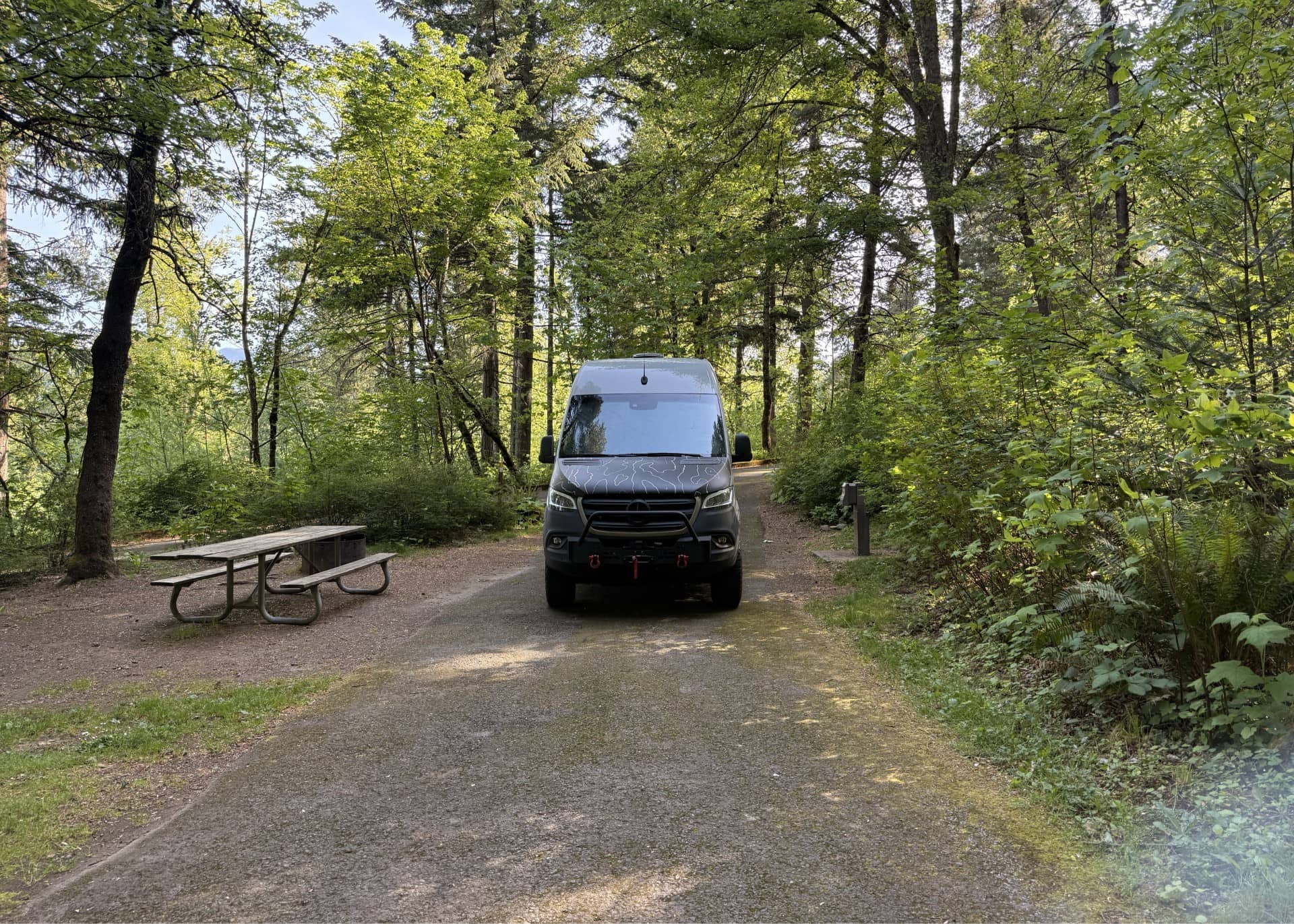
Whether you prefer the mossy, waterfall-heavy vibe of the Western Gorge or you want the best chance at a decent night’s sleep, Ainsworth is the winner.
The Vibe:
Shady, cool, and nestled right at the end of the Waterfall Corridor.
Best for:
Waterfall explorers who want to see a variety of rainforest wildflowers.
The Noise:
Tucked slightly back and higher up on the hillside compared to the others. It is bordered by the Historic Columbia River Highway (Hwy 30), which is much slower and quieter than I-84. Since there is no railroad crossing nearby, the trains do not blow their horns, but you will hear them and the muffled roar of the interstate below, but the thick forest canopy and the elevation help dampen the sound significantly.
Pro Tip:
This is the ideal spot for camping and taking the waterfall trolly as it is the last stop on the route. If you go Memorial Day weekend, you could see both the wildflowers and the waterfalls in one weekend!
Memaloose State Park
Located between Hood River and The Dalles, Memaloose is the ultimate wildflower central campground. Memaloose feels a bit more open, which helps dissipate some of the sound, but it’s still very much a roadside park.
The Vibe:
Grassy, open, and transition from lush forest to high-desert golden hills.
The Noise:
Situated between the noisy I-84 freeway and the railway line, there is a constant hum of highway traffic. While there isn’t a major railroad crossing directly at the campground, when trains pass by the park, they do frequently blow their horns, but you get a lower blast rather than the sharp horn you’ll find at Viento.
Best for:
Campers who want river views.
Pro Tip:
This park is famous for its views of the river and the Memaloose Hills trail (an unofficial but popular hike nearby).
Viento State Park
The Hiker’s Hub. Located between Ainsworth and Memaloose, Viento is notorious among Gorge campers for its noise level and is, in our opinion, the noisiest of the Gorge parks.
The Vibe:
Deeply shaded by towering firs with a classic campground feel.
The Noise:
Situated directly between the freeway and a railroad crossing. The trains run through the park which means that not only do the trains rumble through, but they are legally required to blow their horns 3–4 times as they pass. The noise is 24/7. While it’s a beautiful park, you’ll hear every gear shift from the semis and every blast from the locomotives.
Best for:
heavy sleepers seeking a lush forest vibe.
Pro Tip:
It serves as a trailhead for the Historic Columbia River Highway State Trail. You can hike or bike just one mile west to Starvation Creek Falls, where the rocky cliffs begin to show early-season moss and delicate cliff-dwelling blooms.
Stunning Wildflower Hikes
While everyone flocks to Dog Mountain (which requires a permit on weekends!), the Oregon side of the Gorge offers equally stunning blooms.