Choosing a toilet is easily the least glamorous part of building out a van, but it’s the one decision that will most impact your daily life on the road. The “best” setup usually comes down to a trade-off between how much space you’re willing to give up and how much you’re willing to deal with the cleanup. Whether you want the simplicity of a basic bucket for emergencies or a more advanced composting system that lets you stay off-grid longer, finding the right balance is key to keeping your van feeling like a home rather than a science project. Here is a breakdown of the most common options to help you figure out what actually works for your travel style.
Portable Cassette
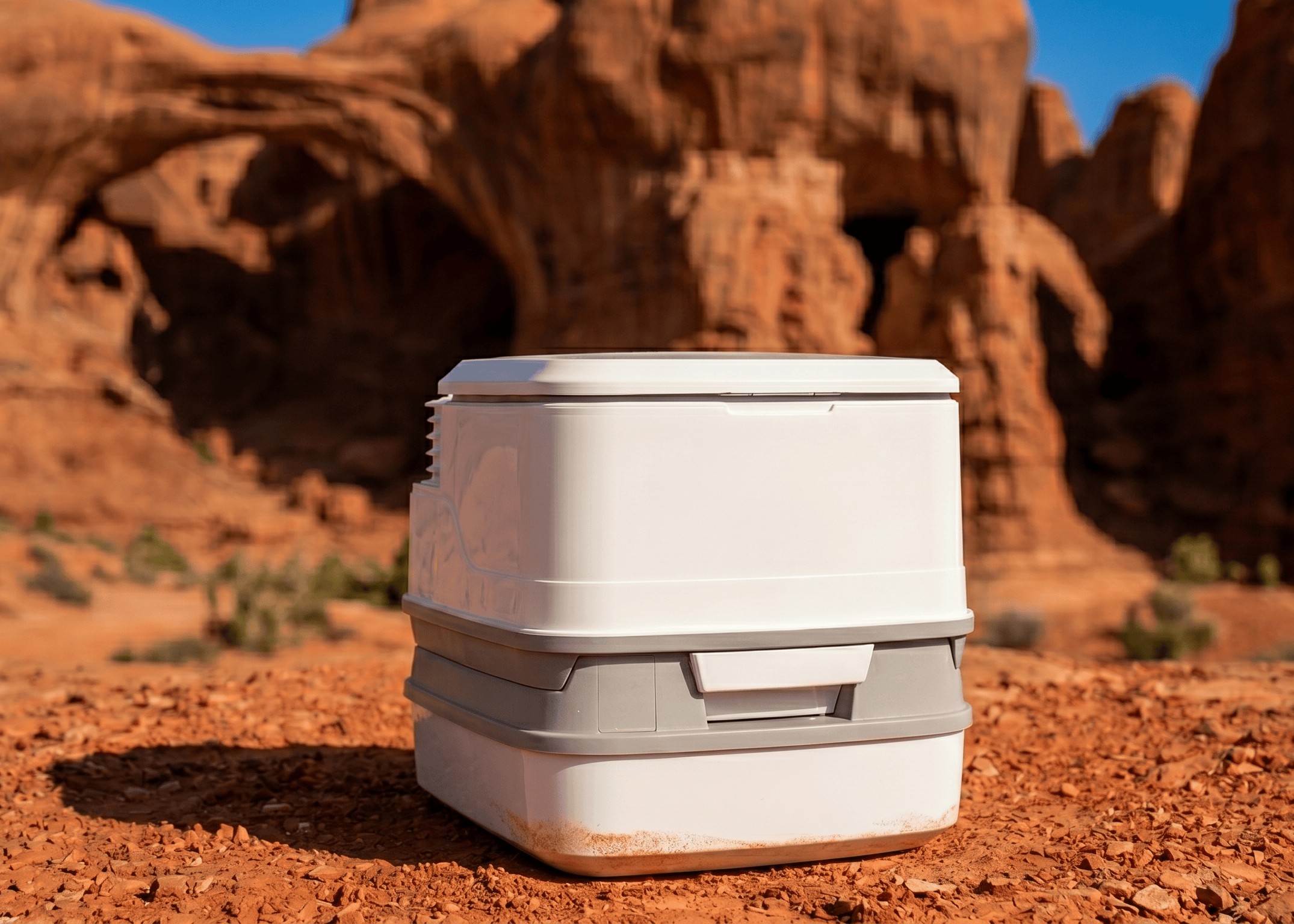
The cassette toilet is a two-part system consisting of an upper freshwater tank and a lower waste holding tank. The upper section contains the bowl, seat, and flushing mechanism, while the lower section acts as a sealed reservoir for all waste. A sliding gasket separates the two halves to prevent odors from escaping. To empty it, you simply detach the bottom tank and pour the contents into a standard residential toilet or a designated RV dump station. Because this system uses water to flush, it provides a “home-like” experience, though it requires more frequent monitoring of tank levels to avoid excessive weight.
Pros
Cons
Composting Toilet
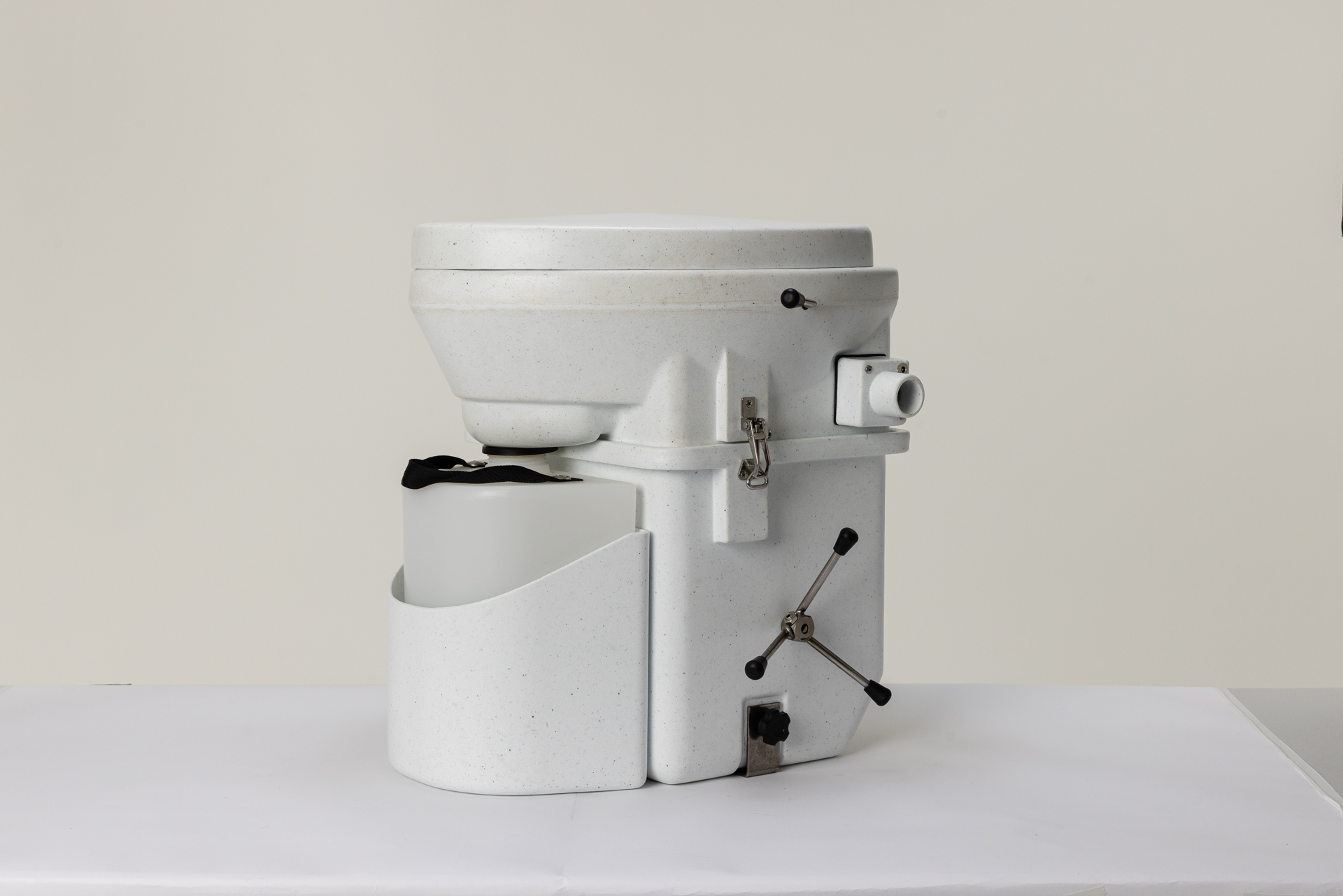
A composting toilet relies on the principle of source separation to manage waste and odor. The unit features a specialized seat that diverts liquids into a front bottle and solids into a large rear bin filled with a bulking agent like coco coir or peat moss. By keeping the two separate, you prevent the chemical reaction that creates sewage odors. The solids bin includes an agitator handle to mix the waste with the organic base, and a small 12V fan runs continuously to pull moisture away and vent it outside the vehicle, facilitating aerobic breakdown.
Pros
Cons
Separating Toilet
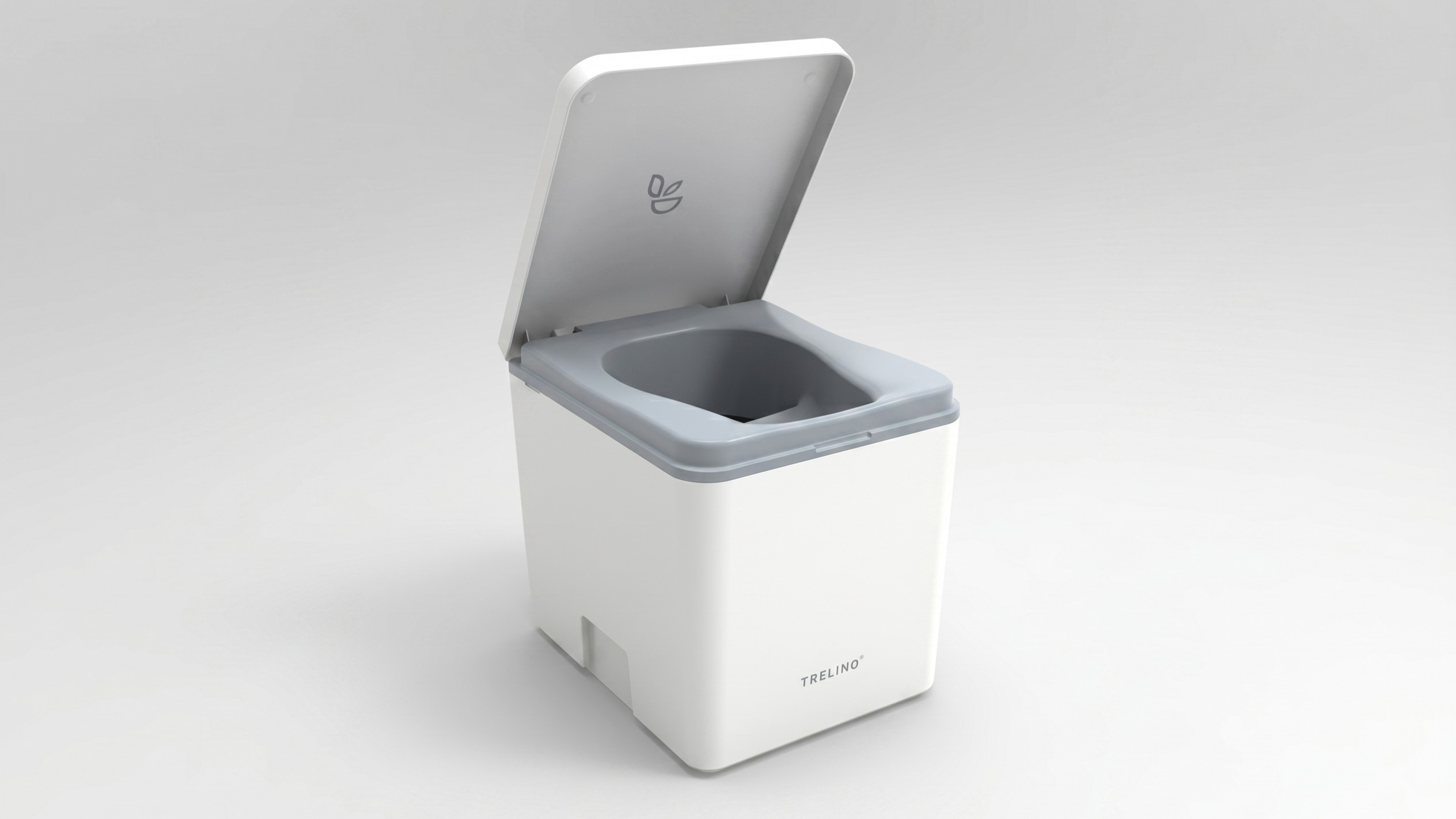
The separating toilet offers the odor-control benefits of a composting toilet but in a much simpler, more compact package. It uses a separator insert to direct liquids and solids into different containers, but it lacks the internal agitator and mechanical “cranking” components. Instead of composting the waste over time, you simply line the solids bin with a bag and add a scoop of absorbent material like sawdust or hemp litter after each use. This makes the unit lightweight and highly portable, as it doesn’t require a permanent vent or complex plumbing.
Pros
Cons
Buckets (Luggable Loo)
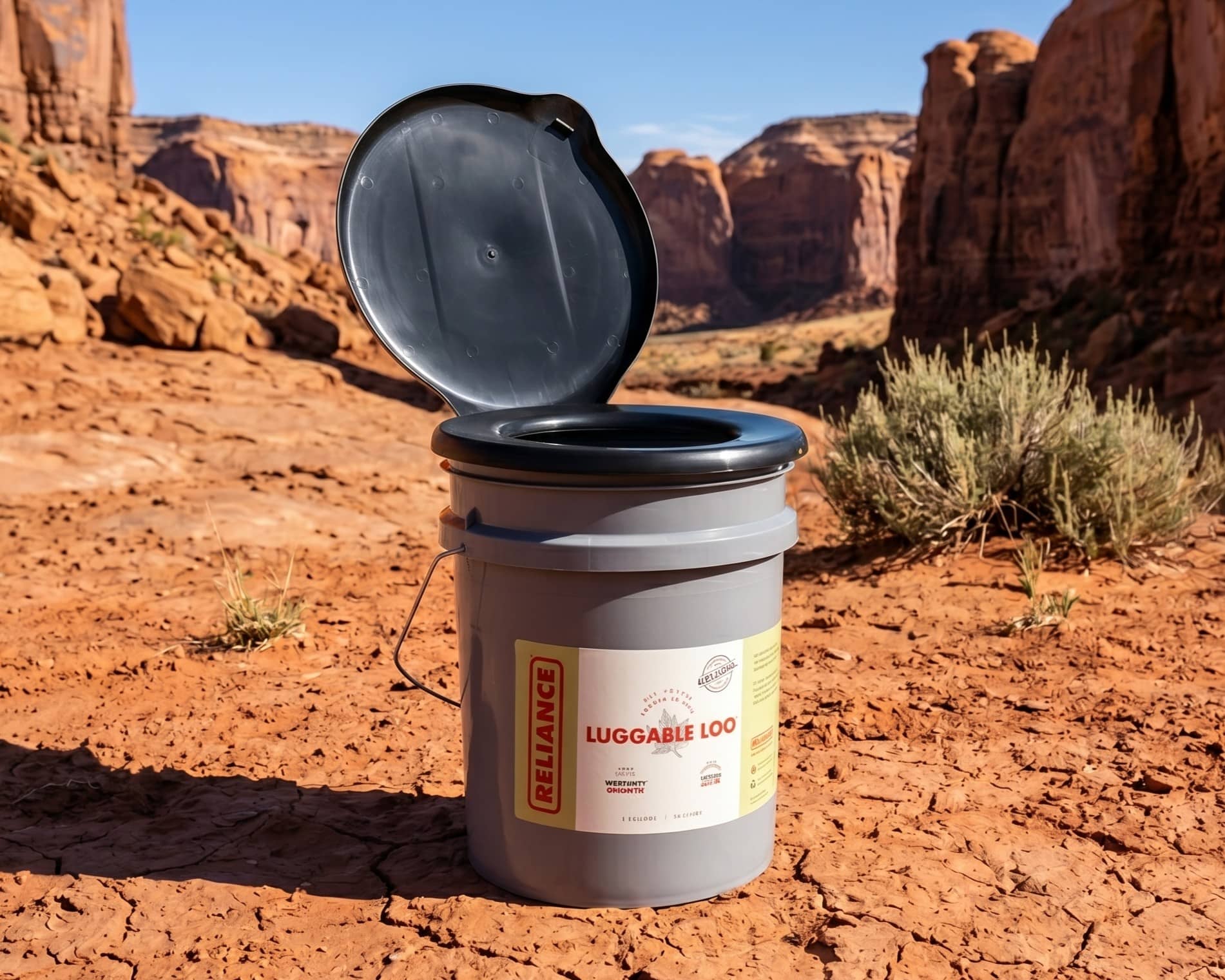
This is the most basic and affordable option available for van life, consisting of a rugged plastic bucket topped with a snap-on toilet seat. There is no separation of waste and no moving parts involved. To manage the contents, you line the bucket with a heavy-duty waste bag and use an absorbent medium like cat litter, pine pellets, or bio-gel. This “dry” system relies entirely on the absorbent material to soak up liquids and encapsulate solids, making it a popular choice for emergency use or for those who prioritize simplicity and low cost above all else.